
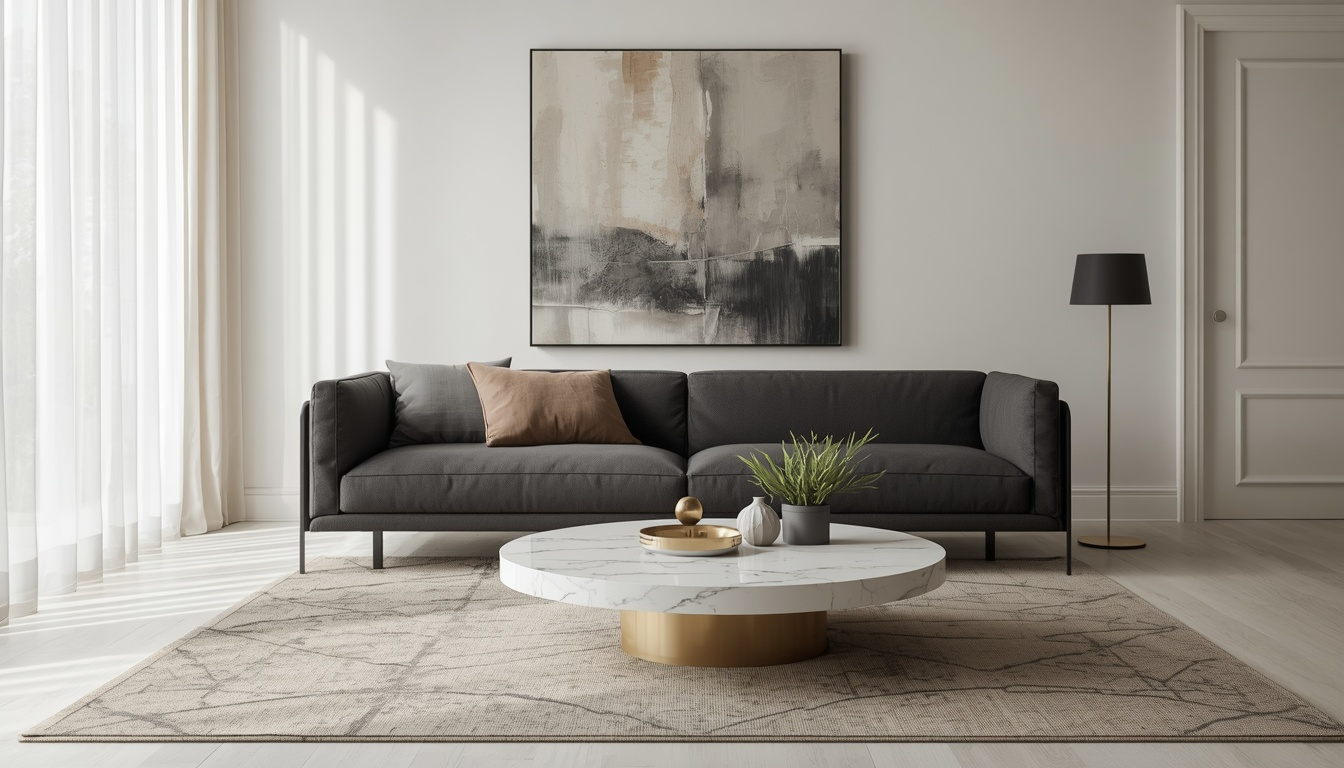
Contemporary style means clean lines, a neutral base, and a handful of intentional statement pieces, rather than a fixed color palette or era-specific furniture the way mid-century or farmhouse styles are.
Below are 15 ways to get there, from full furniture choices down to small swaps that update a room fast.
Contemporary vs. modern vs. minimalist: what’s the difference?
| Style | Time reference | Color use | Ornamentation |
|---|---|---|---|
| Contemporary | Always current, shifts with trends | Neutral base, one or two bold accents | A little, but intentional and sculptural |
| Modern | Fixed to mid-20th-century design principles | Often bold primary colors, black, white | Clean geometric shapes, iconic furniture forms |
| Minimalist | Not tied to an era | Mostly monochrome or all-neutral | Almost none, function over decoration |
Contemporary is the most flexible of the three since it’s defined by “what’s current” rather than a specific decade or rulebook, which is why it can absorb elements of modern, minimalist, or even boho without losing its identity.
15 contemporary living room ideas
1. Choose a low-profile sofa with clean lines
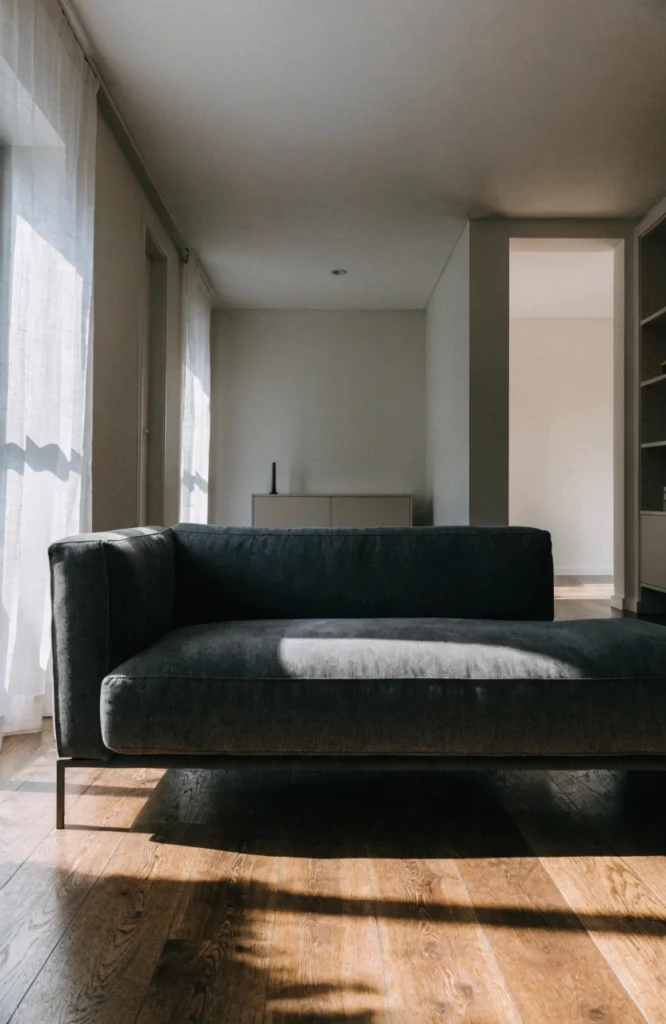
A sofa with simple, unfussy lines and slim exposed legs, rather than rolled arms or tufted upholstery, is the fastest single way to shift a room toward contemporary.
This works with almost any color, so you don’t have to repaint anything to make the switch; the furniture silhouette itself is doing most of the work.
2. Build a neutral base, then add one bold color piece
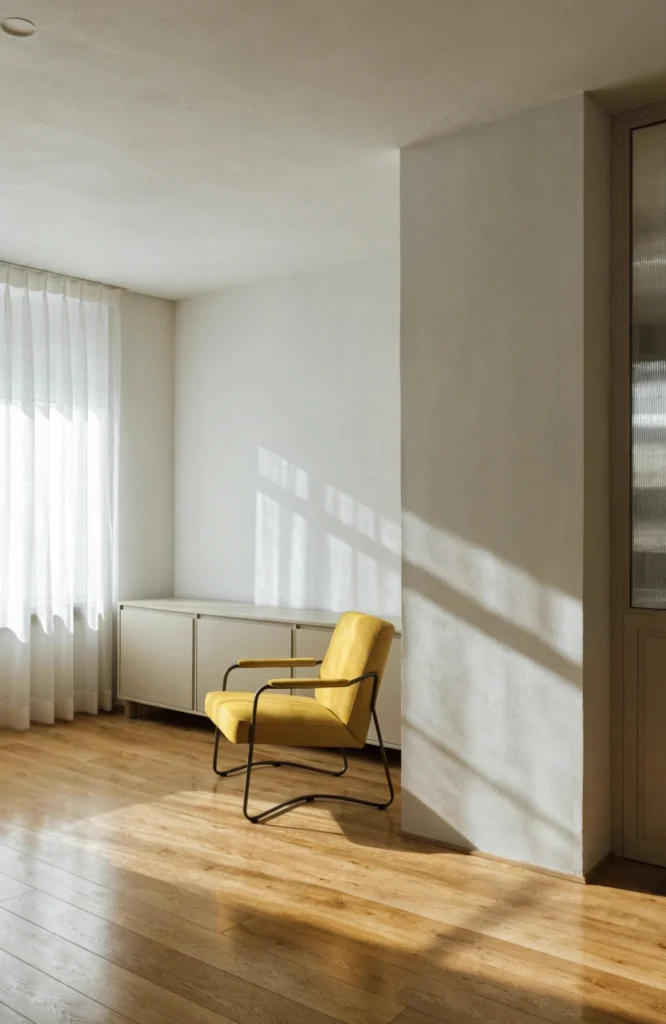
Keep walls, flooring, and the largest furniture piece neutral, then let one item, a chair, an art piece, or a rug, carry a saturated color.
This restraint is what separates contemporary from a room where every piece competes for attention, and it’s also the easiest part to change later if your taste shifts.
3. Mix metal finishes instead of matching them
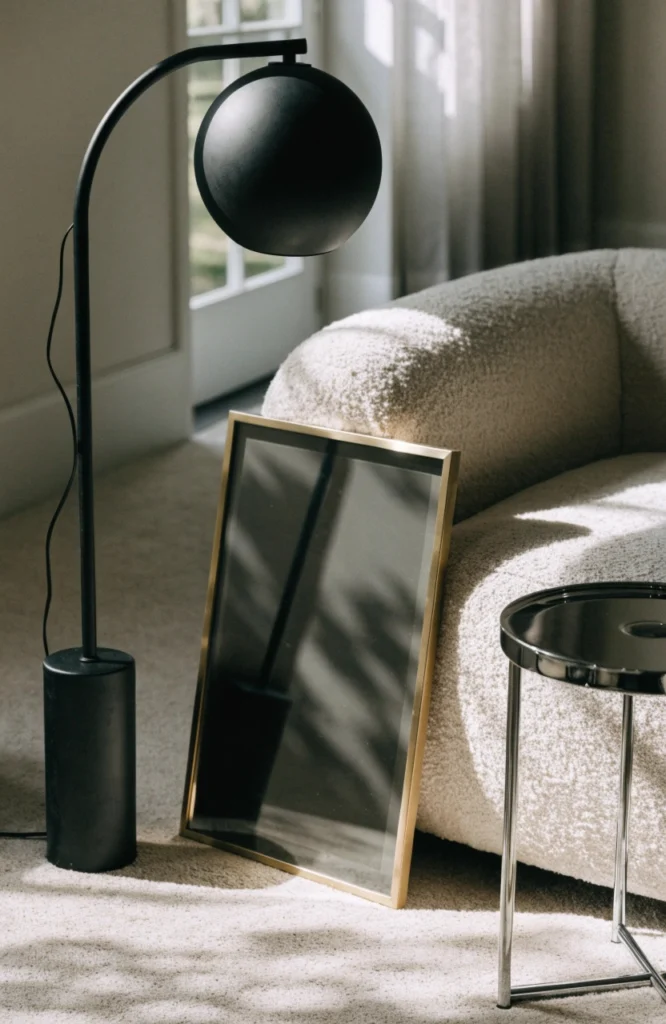
Pair a black metal light fixture with brass hardware and a chrome-legged table, rather than buying every metal accent in the same finish.
Deliberately mixed metals read more current than an all-matching set, though it works best when one finish (say, black) is used most often, with the others appearing just once or twice as accents.
4. Add a sculptural coffee table
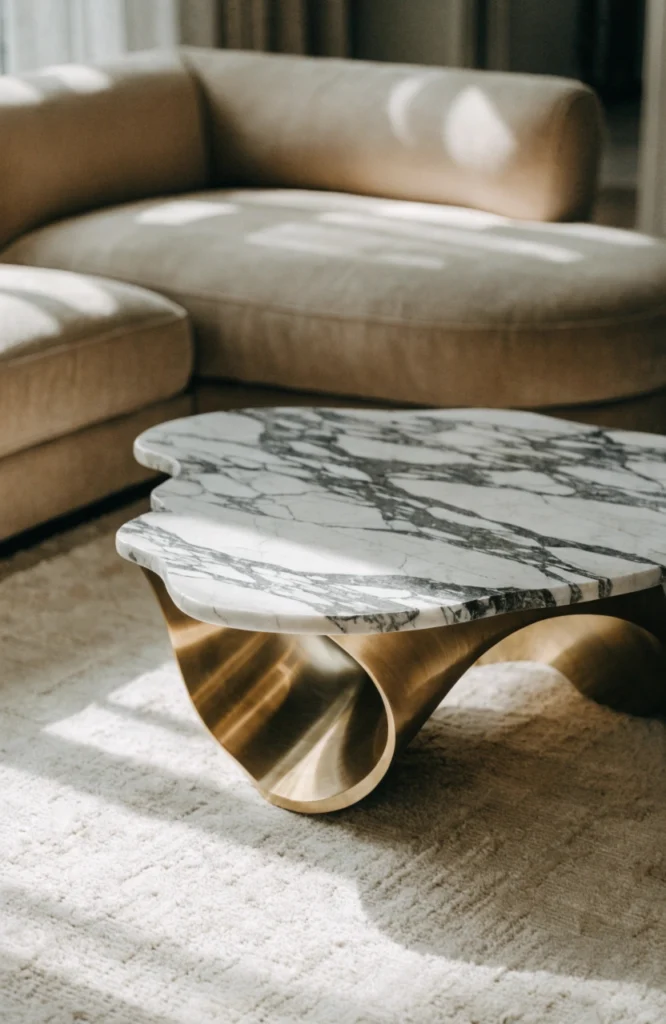
A coffee table with an unusual shape (asymmetric, curved, or a two-material combination like marble and brass) becomes a design object on its own, separate from any wall or sofa color.
This is a good entry point if you like the idea of contemporary but aren’t ready to commit anywhere else, since one table is the lowest-risk item on this list to swap in.
5. Hang one large-scale abstract art piece
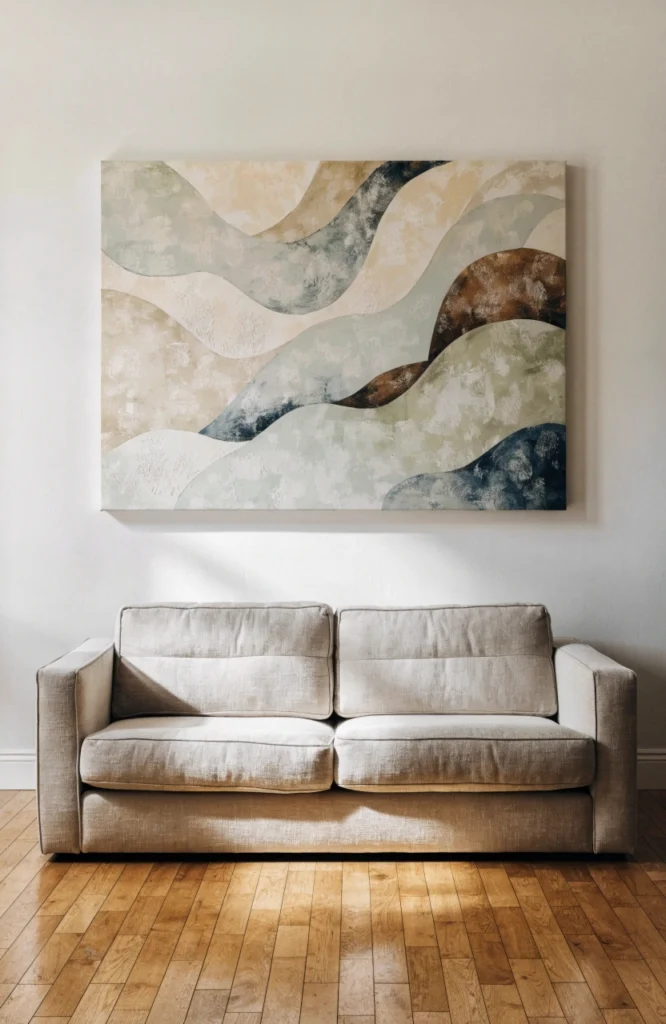
A single oversized abstract canvas above the sofa does more visual work than a cluster of smaller framed pieces, and it reads distinctly contemporary compared to a traditional gallery wall arrangement.
Size the art to roughly two-thirds the width of the sofa beneath it, and use a properly rated wall anchor for anything heavier than a standard poster frame.
6. Edit decor down and leave negative space
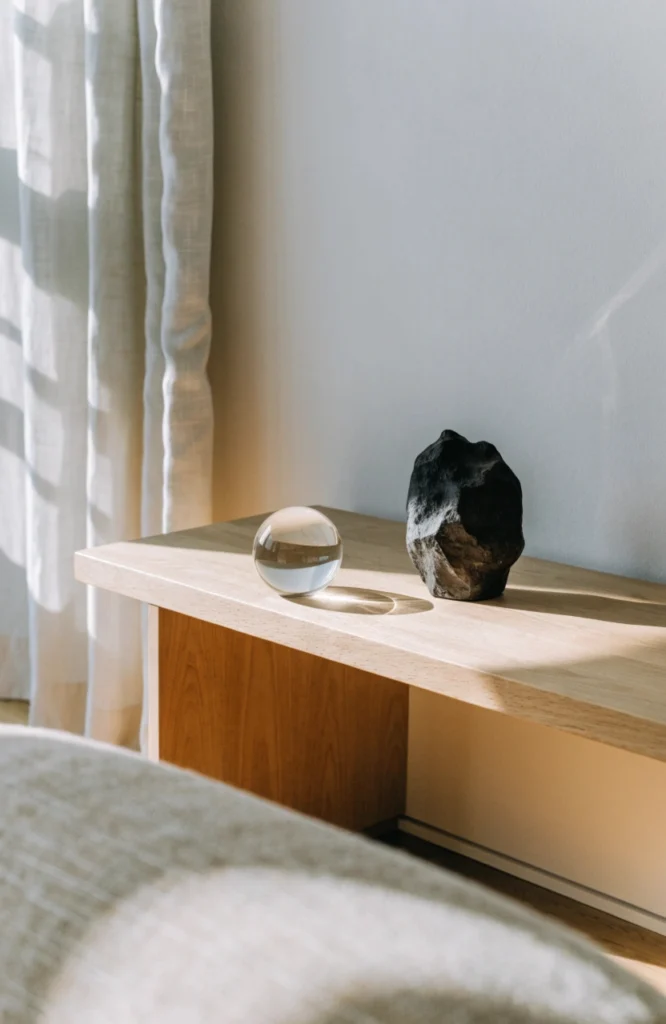
Contemporary rooms rely on visible empty space, on shelves, walls, and floors, as much as they rely on the objects in them.
Removing a few decorative pieces from an already-styled shelf, rather than adding more, often reads as the more finished, more current choice.
7. Add a geometric area rug
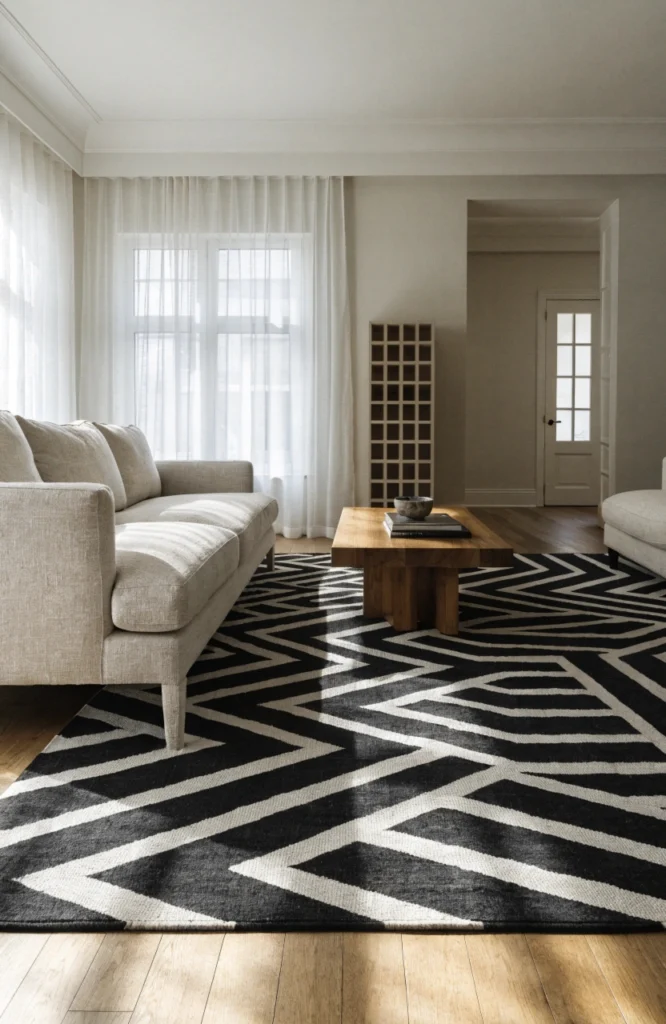
A rug with a bold geometric pattern (not florals or traditional medallions) anchors the floor with a graphic element that reads current rather than dated.
Keep the rug’s color palette limited to two or three tones so the pattern reads intentional instead of busy.
8. Add a statement sculptural light fixture
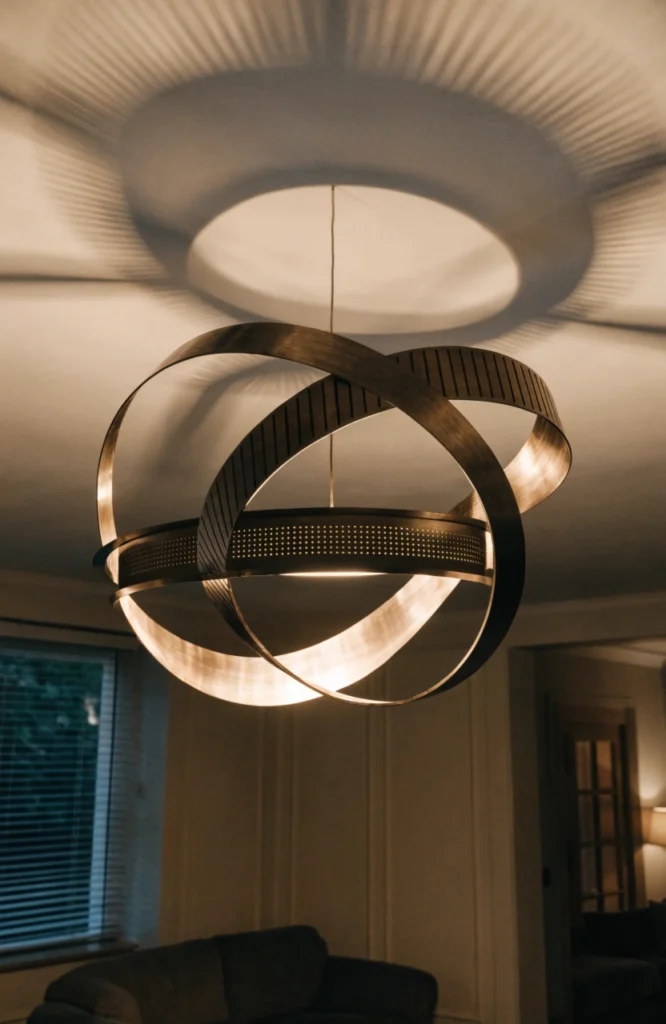
A pendant or floor lamp with an architectural, sculptural shape becomes a focal point even when it’s switched off, unlike a purely functional fixture that disappears into the ceiling.
This is a higher-effort update if it involves swapping an existing overhead fixture, so if you’re not comfortable with basic electrical work, hire an electrician rather than wking on a live fixture yourself.
9. Hang sheer curtains floor to ceiling
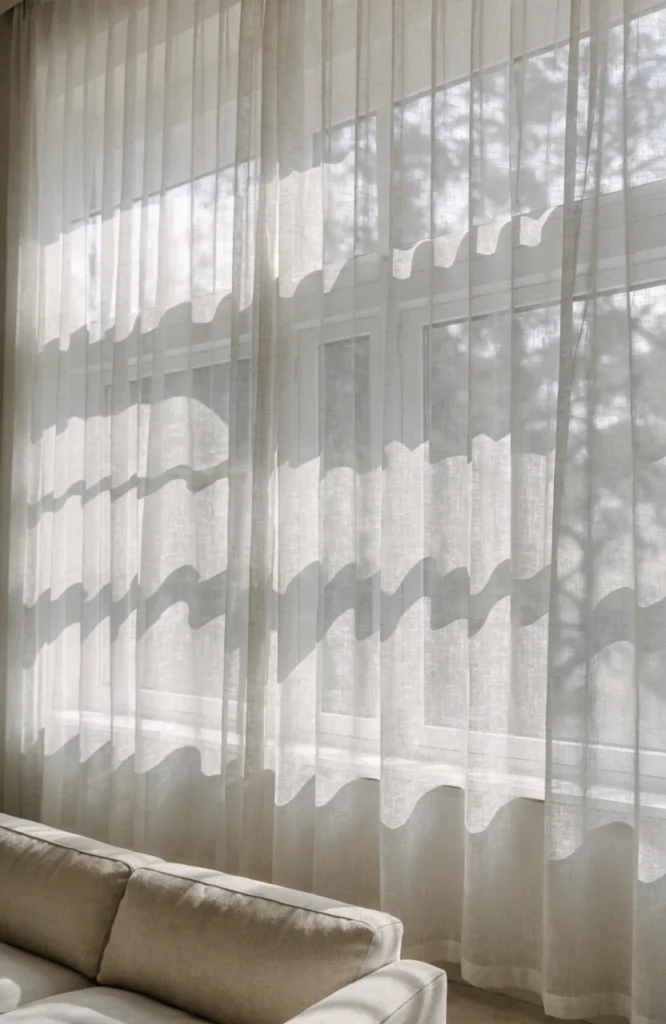
Floor-to-ceiling sheer curtains, mounted close to the ceiling and extending past the window frame, add height and softness without blocking natural light the way heavier drapery would.
This is one of the easiest updates on this list and works in almost any existing room without touching furniture or walls at all.
10. Build in shelving with hidden storage
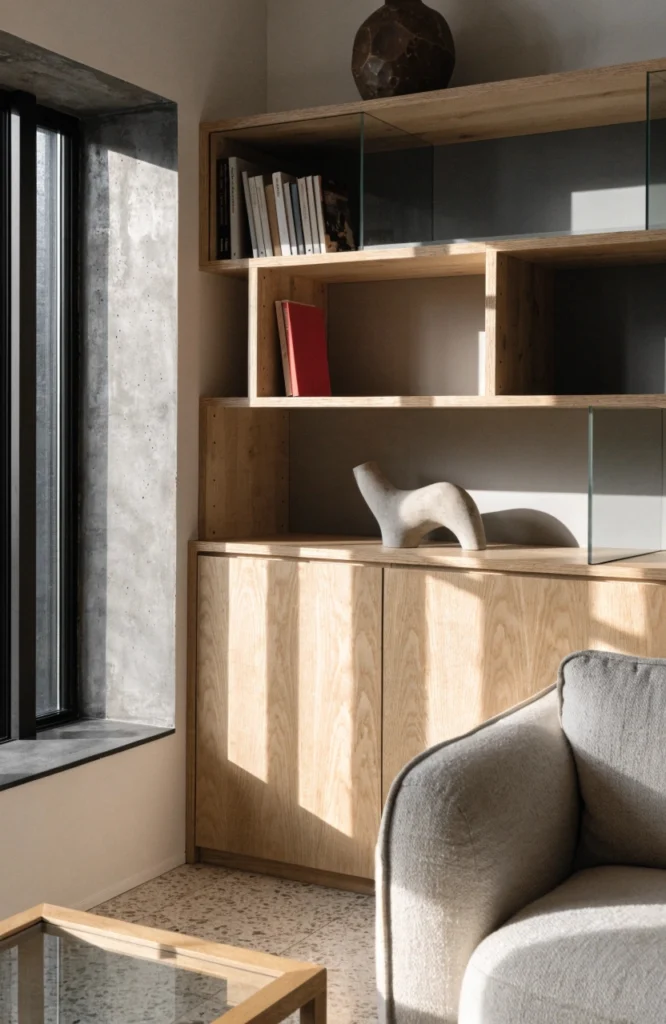
Built-in or built-in-style shelving with a mix of open display sections and closed cabinet doors keeps clutter out of sight while still giving you space to display a few chosen objects.
This is a bigger investment than most items on this list, but it solves the storage-versus-clean-lines tension that a fully open bookcase can’t.
11. Layer tones within one color family
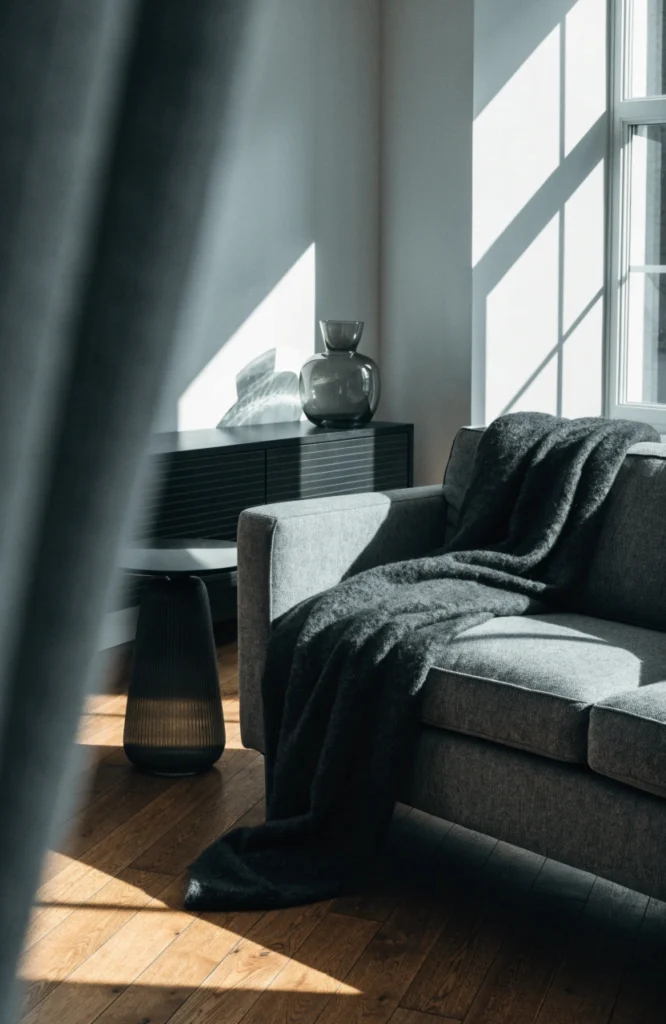
Instead of introducing several different colors, use several shades of the same one, a pale grey wall, a mid-grey sofa, a charcoal throw, so the room reads cohesive and current without looking flat or monochrome in a boring way.
This tonal approach is one of the clearest markers of contemporary styling versus a more traditional multi-color scheme.
12. Add a glass and metal accent table
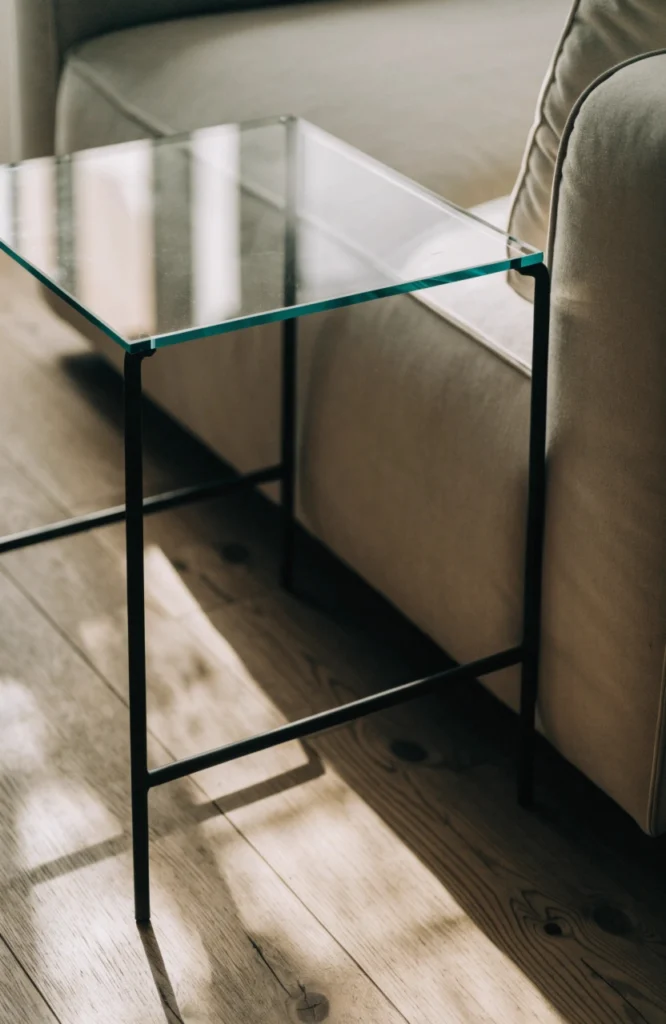
A side table combining a glass top with a slim metal frame reads lighter, visually, than a solid wood table of the same size, since you can see through part of it.
This helps in a room where you want another surface without adding more visual weight to an already furniture-heavy layout.
13. Try a textured plaster or limewash accent wall
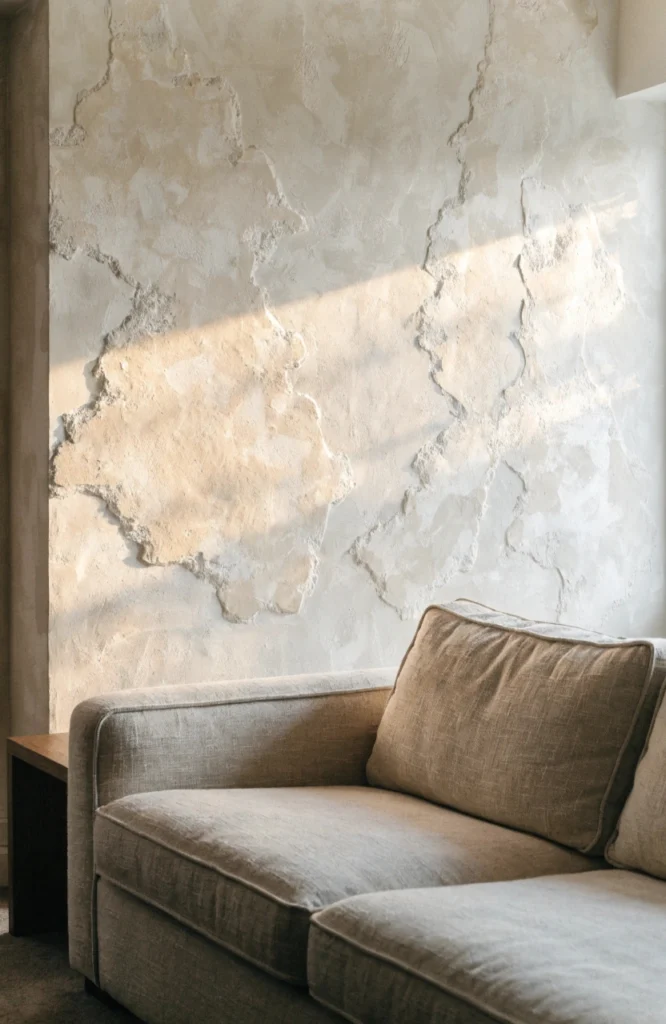
A limewash or Venetian plaster finish on one wall gives subtle texture and depth without an actual pattern, which reads more current than a flat paint color or a printed wallpaper.
This is a more involved and typically pricier DIY than paint, so budget for both the material and the extra time a textured finish takes to apply evenly.
14. Float furniture to keep sightlines open
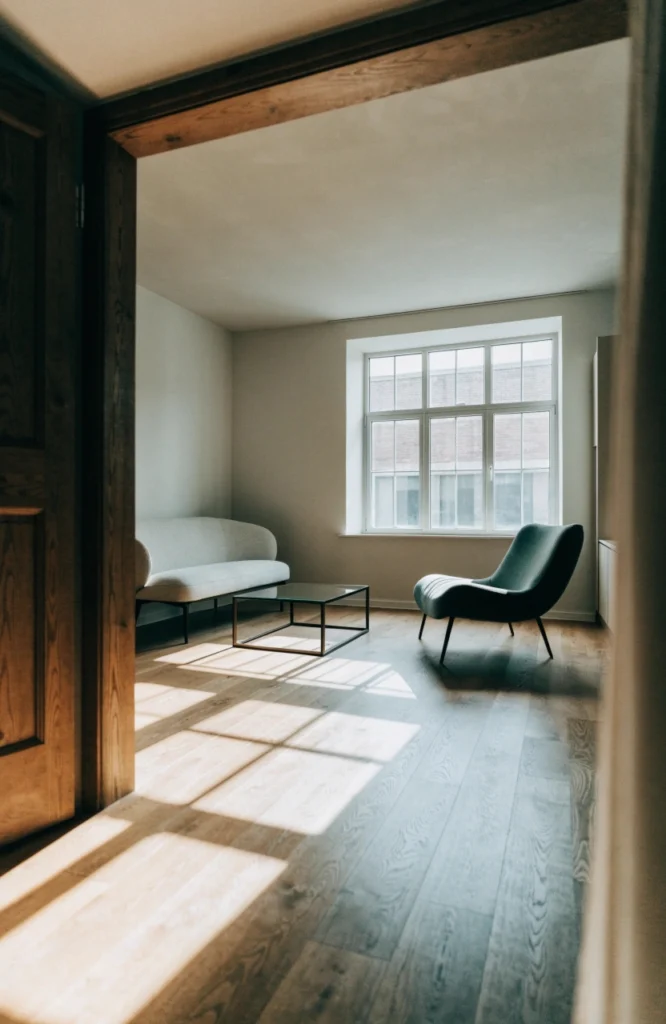
Arrange seating so no single piece blocks the main sightline from the entryway to the window or the room’s focal point, even if that means a chair sits at an angle rather than flush against a wall.
Open sightlines are part of what makes a contemporary room feel more spacious and considered than one where furniture is just pushed to the edges.
15. Keep it small-space friendly with multi-functional sleek pieces
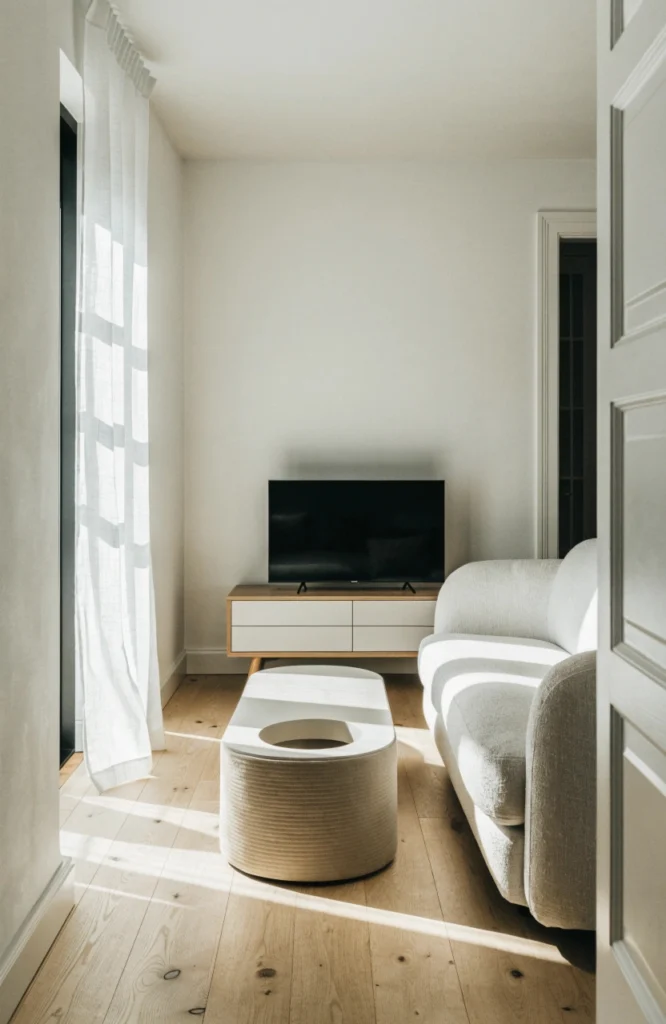
In a small living room, pick contemporary furniture that does double duty, a storage ottoman with a sculptural shape, or a slim console that also holds media equipment, rather than adding separate pieces for each function.
Stick to a tight, neutral-plus-one-accent palette so a small space doesn’t compete with itself visually. For more layout-specific tricks, the small living room ideas guide has more on furniture scale.
How to update a living room to contemporary style
- Start with the sofa silhouette. Swap rolled arms or heavy tufting for clean lines and exposed legs before changing anything else, since the furniture shape sets the tone more than color does.
- Pick your neutral base and one accent color. Choose the dominant wall and furniture tone, then commit to a single bold color for accents rather than several competing hues.
- Add one sculptural object. A coffee table, a light fixture, or a piece of art with an architectural shape gives the room a focal point beyond the furniture itself.
- Edit before you finish. Remove at least one decorative object from every surface you’ve styled. Contemporary rooms read more current with less, not more.
Common mistakes in a contemporary living room
- Mixing too many colors instead of tones. A neutral base with five different accent colors reads busy rather than current; stick to one or two.
- Keeping traditional furniture silhouettes and just changing the color. Rolled arms and heavy skirting stay traditional no matter what fabric covers them.
- Overcrowding every shelf and surface. Contemporary styling relies on visible negative space; a fully packed shelf undercuts the whole effect.
- Matching every metal finish exactly. An all-brass or all-black room can look more like a themed showroom than an intentionally curated space.
- Skipping the weight check on statement art or lighting. A large canvas or a sculptural pendant is heavier than a standard piece, so use a rated anchor or hire an electrician for any fixture swap.
Why I did this in my own living room
I swapped my old rolled-arm sofa for a low, straight-lined one years before I changed anything else in the room, and it’s still the single change that shifted the whole space from “traditional apartment furniture” to something that reads more current. Everything else, the rug, the art, the lighting, came later and built on that one decision. The lesson that stuck: the furniture shape does more work than the color ever will.
Quick answers
What’s the difference between contemporary and modern style? Modern refers to a specific mid-20th-century design movement with its own furniture forms and color choices. Contemporary means whatever’s current right now, so it shifts over time and can borrow elements from modern, minimalist, or other styles.
Does contemporary style work in a small living room? Yes, especially with multi-functional furniture and a tight, limited color palette. Clean lines and open sightlines tend to make a small room feel larger, not smaller.
Can renters update to a contemporary look without painting or drilling? Yes. Furniture silhouette, a geometric rug, sheer curtains, and styling with negative space can shift the whole feel without touching the walls. A textured wall finish or built-in shelving would need landlord approval first.
What colors are typical in a contemporary living room? A neutral base, whites, greys, or beiges, with one or two bold accent colors used sparingly rather than throughout the whole room.
Do contemporary living rooms need to be all one color? No. Tonal layering within one color family (several shades of grey, for example) is common, but a single bold accent color against a neutral base is just as typical.
What kind of art works best in a contemporary living room? Large-scale abstract pieces tend to read more current than smaller, traditional framed collections, though a well-edited, consistent gallery wall can also work if the frames and mats stay uniform.
About this guide
This list comes from furniture and layout changes I’ve actually made in my own space, not a showroom concept. If you want a version of this style with more natural material and warmth mixed in, the modern earthy living room ideas guide overlaps well here.
For a more muted, tonal-grey take on this same clean-lined approach, the grey living room ideas post has more direction, and if a light, unfussy sofa color is part of your plan, the white couch living room ideas guide covers keeping that piece looking sharp.
1 thought on “15 Contemporary Living Room Ideas for a Modern Home”